New
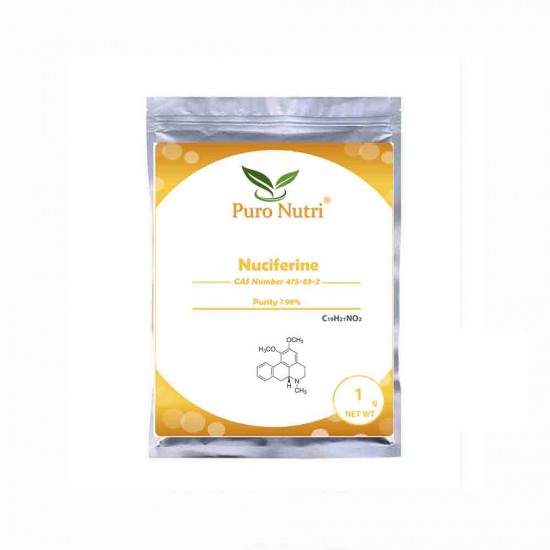
High Quality Pure Natural 98% Nuciferine Powder
- Stock: In Stock
- Model: Nuciferine
- SKU: 475-83-2
190 samples sold
Product Views: 168
$67.43
Ex Tax: $67.43
Available Options
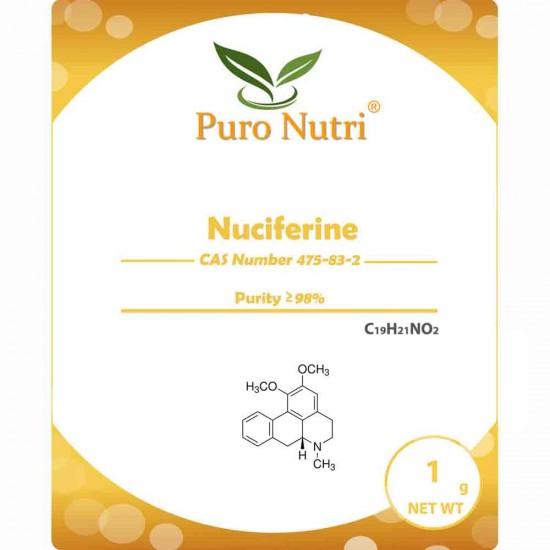
Nuciferine
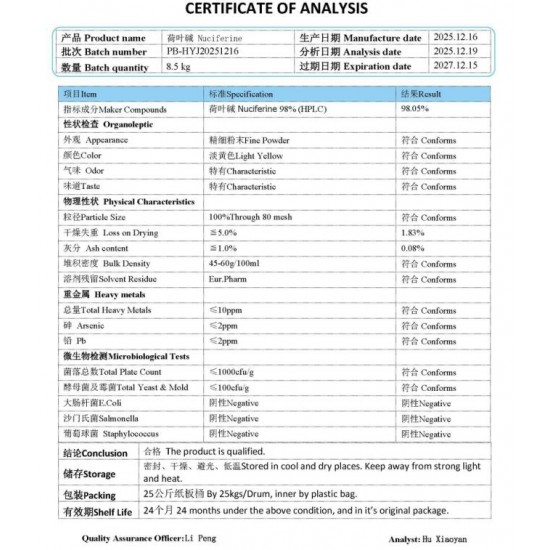
Purity: ≥ 98% (HPLC)
Synonym(s):
1,2-Dimethoxy-6α-aporphine, (R)-1,2-Dimethoxy-6-methyl-5,6,6a,7-tetrahydro-4H-dibenzo[de,g]quinoline
CAS Number: 475-83-2
Molecular Formula: C19H21NO2
Molecular Weight: 295.38
MDL Number: MFCD01664592
PubChem ID: 3108374
Melting Point: 171 - 175 °C (Lit.)
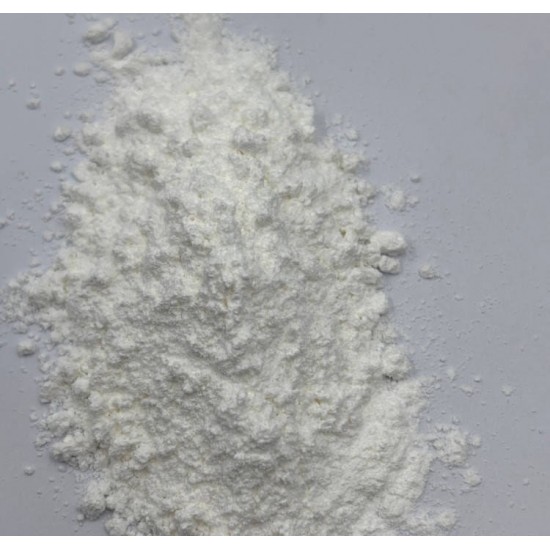
Appearance: Off-white powder
Optical Rotation: [a]20D = -155 to -148 ° (C=0.5 in EtOH) (Lit.)
Nuciferine is a naturally occurring alkaloid primarily extracted from the seeds and leaves of the lotus plant, known for its diverse pharmacological properties. This compound has garnered attention in the fields of medicinal chemistry and pharmacology due to its potential therapeutic applications, including anti-inflammatory, antioxidant, and neuroprotective effects. Researchers have explored its use in developing treatments for various conditions, such as anxiety, depression, and metabolic disorders. Nuciferine's unique structure allows it to interact with multiple biological targets, making it a valuable candidate for drug discovery and development.
Nuciferine is a natural alkaloid, which is derived from the leaves of the sacred lotus plant, Nelumbo nucifera. This compound exhibits a diverse range of pharmacological activities due to its interaction with various receptors and enzymes within the human body. Known for its antagonist activity on certain serotonin and dopamine receptors, nuciferine influences neurotransmitter pathways, which contributes to its potential therapeutic effects.
Nuciferine has been investigated for its applications in various medical fields due to its wide-ranging biological effects, including anti-inflammatory, antipsychotic, and anti-obesity properties. Research indicates that it might play a role in modulating lipid metabolism and could contribute to cardiovascular health. Additionally, its potential impact on neuropharmacological systems offers promise for mental health applications. Scientists are particularly interested in its ability to influence metabolic and neuronal pathways, making it a subject of ongoing research in both pharmacology and biochemistry.
In addition to its medicinal applications, Nuciferine is also being investigated for its role in enhancing cognitive function and promoting overall well-being. Its ability to modulate neurotransmitter systems positions it as a promising agent in the realm of neuropharmacology. With ongoing research, Nuciferine holds the potential to contribute significantly to the development of innovative therapeutic strategies, making it an exciting compound for both researchers and industry professionals.